

Why Does Low Voltage Switchgear Matter More Than Most Buyers Expect?
2026-04-09
When I evaluate a power distribution system, I never look only at price or a basic equipment list. I look at operating safety, maintenance logic, future expansion, and how easily the system can keep a facility running without unnecessary downtime. That is exactly where Lugao Power Co.,Ltd gradually comes into the picture for me, because a dependable Low Voltage Switchgear solution is not just a cabinet on the floor. It is the control point that helps protect people, stabilize operations, and support long-term electrical performance in industrial plants, commercial buildings, and infrastructure projects.
In many projects, buyers face the same pressure. They want a distribution system that is safe, easy to inspect, practical to maintain, and flexible enough for future changes. They also want to avoid hidden trouble such as overheating, difficult wiring access, inconsistent component layouts, and shutdowns that interrupt production. A well-designed Low Voltage Switchgear system helps solve those real problems in a way that feels practical rather than theoretical.
I have seen many procurement decisions go wrong because the focus stayed on the initial quotation instead of lifecycle value. A better question is not only “How much does the equipment cost today?” but also “How much trouble will this system save over the next several years?” That is the question this article is built to answer.
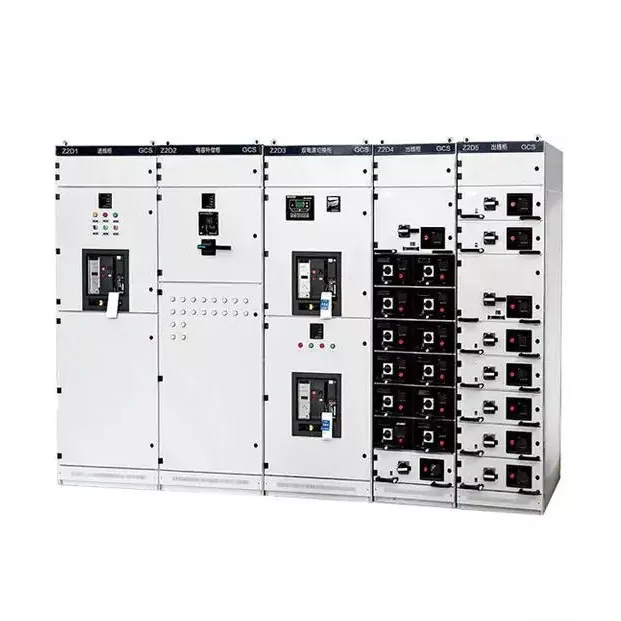
What Problems Am I Really Trying to Solve When I Choose Low Voltage Switchgear?
Most buyers are not searching for a product name alone. They are trying to solve operational pain points that show up every day in the field. In my experience, those pain points usually include the following:
- Unexpected trips or faults that disrupt production schedules
- Complicated maintenance procedures that increase labor time
- Poor internal layout that makes troubleshooting difficult
- Limited flexibility when circuits must be added or modified later
- Heat buildup and power loss caused by inefficient design
- Concerns about operator safety during inspection or servicing
That is why I treat Low Voltage Switchgear as a long-term operating asset rather than a simple one-time purchase. If the design is thoughtful, it improves the daily experience of engineers, maintenance teams, operators, and facility managers all at once.
How Does The Right Design Make Daily Operation Easier?
One of the first things I notice in a good switchgear system is whether the design respects real working conditions. Electrical rooms are not theoretical spaces. They are busy, time-sensitive, and often part of a larger production or service process. If a fault appears, the team needs to identify the cause quickly and act with confidence.
A better system design usually gives me these advantages:
- Clear internal arrangement for faster inspection
- Stable component coordination for distribution and control
- Convenient access for maintenance personnel
- Room for modular expansion when project demand changes
- Safer operation through reliable protection measures
This is one reason buyers pay close attention to cabinet structure, withdrawable or fixed configuration, busbar layout, and the overall serviceability of the panel. These are not small details. They directly affect uptime, maintenance cost, and user confidence.
Why Do Safety And Reliability Usually Decide The Final Purchase?
For many projects, safety is the point where a purchase moves from “interesting” to “necessary.” If the switchgear cannot support reliable protection, then every other feature loses value. I always want a system that helps isolate faults quickly, protects connected equipment, and reduces the risk of operator error.
In practical terms, I look for a solution that supports safe distribution and controlled operation under normal working conditions, while also helping teams respond more effectively when abnormal conditions occur. That is where a professionally built Low Voltage Switchgear solution becomes especially valuable for factories, workshops, buildings, and public facilities.
| Buyer Concern | What A Better Switchgear Solution Should Deliver | Why It Matters In Practice |
|---|---|---|
| Operational safety | Reliable protection and coordinated control | Helps reduce fault impact and protects personnel and equipment |
| Maintenance convenience | Accessible layout and logical internal structure | Shortens inspection time and improves service efficiency |
| Expansion capability | Modular arrangement and flexible circuit planning | Makes future upgrades easier without full replacement |
| Energy performance | Reasonable distribution design and reduced unnecessary loss | Supports more stable and efficient system operation |
| Project adaptability | Customizable configuration for different applications | Fits industrial, commercial, and infrastructure requirements better |
Where Can Low Voltage Switchgear Create The Most Value?
I usually see strong demand for this kind of equipment in projects where stable power distribution is essential and downtime is expensive. That includes a wide range of applications, and each one has a slightly different priority.
- Industrial facilities where motor control, production continuity, and equipment protection matter every day
- Commercial buildings where dependable electrical distribution supports lighting, HVAC, elevators, and building services
- Infrastructure projects where long-term reliability and practical maintenance planning are critical
- Utility and public service settings where operational consistency cannot be treated casually
In these environments, I do not want a solution that only looks good in a catalog. I want one that can fit the installation logic, support service access, and remain practical after handover. That is why application matching is just as important as technical specification.
Which Features Help Buyers Avoid Costly Mistakes Later?
The biggest procurement mistakes often happen when a buyer focuses only on immediate output values and ignores usability over time. I prefer to evaluate the whole picture. A switchgear solution should not make future servicing harder. It should make it simpler.
Here are the practical checkpoints I recommend before making a final purchasing decision:
- Check whether the cabinet structure supports efficient maintenance
- Review whether circuit arrangement allows future expansion
- Confirm whether the design suits the actual operating environment
- Assess whether installation and commissioning can proceed smoothly
- Consider whether after-sales technical support will be responsive
- Look for a manufacturer that understands project-based customization
From a buyer’s perspective, these questions are more useful than generic marketing claims. They help prevent under-specification, over-complication, and poor fit between the product and the project.
Why Does Customization Matter So Much In Real Projects?
No two projects are completely identical. Even when the voltage class is the same, the operating environment, load structure, maintenance habits, and installation conditions can be very different. That is why I value manufacturers that can adapt layouts and configurations instead of forcing every client into one fixed template.
A flexible Low Voltage Switchgear approach gives buyers more control over how the system fits their real application. That may involve cabinet type selection, internal arrangement, access design, control requirements, or future expansion planning. Customization is not just a sales keyword when it is done well. It is a practical way to reduce mismatch and improve long-term usability.
Can A Better Supplier Make Procurement Less Risky?
Yes, absolutely. I do not believe buyers are choosing hardware alone. They are also choosing communication quality, technical understanding, and problem-solving ability. A reliable supplier helps the buyer move from product comparison to project confidence.
That is one reason companies such as Lugao Power Co.,Ltd attract attention in this market. Buyers are not only looking for equipment. They are looking for a manufacturer that can discuss applications clearly, respond to technical needs, and support a smoother path from inquiry to delivery.
When I compare suppliers, I usually consider:
- Whether communication is clear and technically grounded
- Whether the product range supports different project demands
- Whether the supplier understands industrial and commercial use cases
- Whether the proposed solution feels practical instead of generic
- Whether the supplier can support custom requirements professionally
What Should I Remember Before Sending An Inquiry?
If I had to reduce the whole buying process to one idea, it would be this: the best Low Voltage Switchgear choice is the one that keeps people safer, operations steadier, and maintenance easier over time. A low quotation alone does not guarantee value. Good design, practical structure, and reliable supplier support do.
If you are reviewing options for industrial power distribution, commercial electrical systems, or infrastructure applications, now is the right time to ask deeper questions and compare solutions more carefully. If you want a switchgear solution that is easier to operate, easier to maintain, and better aligned with real project needs, contact us today and send your inquiry. The right conversation now can save you far more than cost later.