

What Safety Standards Apply to the Installation of Oil Immersed Transformers
2026-02-26
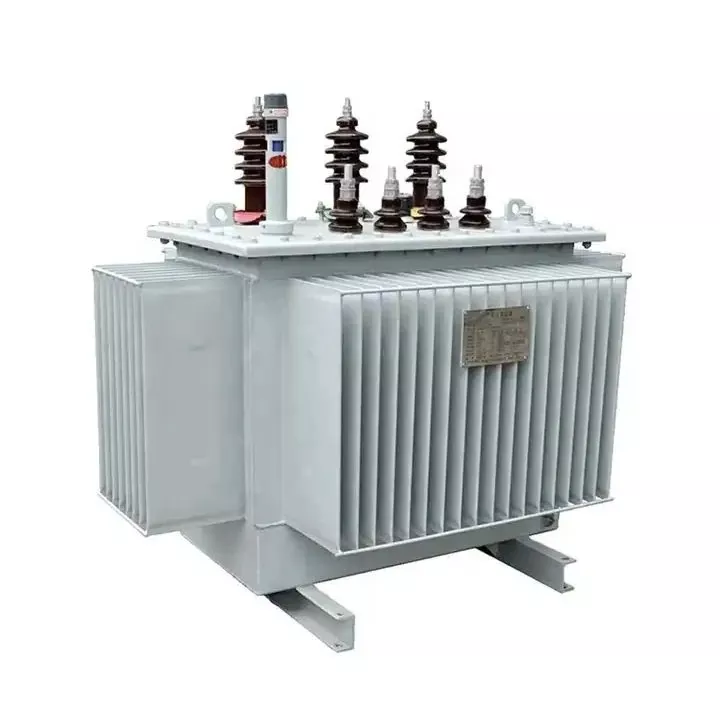
When deploying heavy electrical equipment, adhering to strict safety protocols is non-negotiable. For engineers and project managers, understanding what safety standards apply to the installation of Oil Immersed Transformer units is the first step toward operational reliability. At Lugao Power, we emphasize that compliance not only prevents accidents but also optimizes long-term performance. These regulations govern everything from foundation strength to fire protection, ensuring that the Oil Immersed Transformer integrates safely into the grid.
Key International and Regional Safety Standards
The installation process is governed by a framework of international standards. Below is a breakdown of the most critical regulations that dictate how an Oil Immersed Transformer should be positioned and protected.
| Standard | Region | Focus Area |
|---|---|---|
| IEEE C57.12.00 | USA | General requirements for liquid-immersed transformers. |
| IEC 60076 | International | Power transformer specifications, including installation. |
| NFPA 70 (NEC) | USA | Electrical installations, clearances, and conduit sizing. |
| NFPA 850 | USA | Fire protection for electric generating plants. |
| ISO 9001 | Global | Quality management for manufacturing and installation. |
Critical Installation Requirements
To ensure a safe setup, the following technical elements must be verified:
-
Foundation & Support: The plinth must be level and capable of bearing the total weight of the Oil Immersed Transformer, including the oil volume.
-
Clearance Zones: Minimum distances must be maintained from walls and other equipment to allow for heat dissipation and safe maintenance access.
-
Bunding and Containment: Spill containment systems are mandatory to trap insulating oil in case of a leak, preventing environmental contamination.
Frequently Asked Questions About Installation Safety
To further clarify what safety standards apply to the installation of Oil Immersed Transformer systems, here are answers to the most common technical queries.
What are the specific fire safety requirements for indoor Oil Immersed Transformer installations?
Indoor installations require stringent fire-resistant construction. The room must have a minimum fire resistance rating (often 3 hours) and include automatic suppression systems, such as water spray or foam. Additionally, Lugao Power recommends installing pressure relief vents in the transformer room to channel hot gases safely outside in the event of an internal arc fault.
How do grounding standards protect an Oil Immersed Transformer during installation?
Grounding is critical for protecting both personnel and equipment. According to IEEE 80, the grounding grid must limit step and touch potentials to safe levels. The neutral bushing of the Oil Immersed Transformer must be solidly connected to the earth grid, and all non-current-carrying metal parts (like the tank and enclosures) must be bonded to prevent static charge buildup or shock hazards during operation.
What dielectric fluid standards must be met before energizing the transformer?
Before energizing, the insulating oil must meet the dielectric breakdown voltage standards outlined in ASTM D877 or IEC 60156. Typically, new oil should have a minimum breakdown voltage of 30 kV. Lugao Power technicians always perform dissolved gas analysis (DGA) and moisture content tests post-installation to ensure the Oil Immersed Transformer’s insulation system is uncompromised before going live.
Best Practices for Compliance
Ensuring adherence to the standards requires a methodical approach. Lugao Power utilizes a strict checklist during deployment to guarantee that every Oil Immersed Transformer installation meets the required legal and operational benchmarks.
-
Pre-Installation Audit: Review site conditions against the transformer's nameplate ratings.
-
Oil Handling: Ensure pumps and hoses are clean and rated for transformer oil to avoid contamination.
-
Protective Relay Testing: Verify that all Buchholz relays and temperature sensors are calibrated correctly.
-
Final Inspection: Conduct a thermographic scan during the initial load phase to spot loose connections.
Conclusion
Navigating the complex landscape of electrical codes and safety regulations is essential for the successful deployment of any Oil Immersed Transformer. By strictly following standards from bodies like IEEE and IEC, you mitigate risk and enhance the lifespan of your equipment. At Lugao Power, we are committed to providing equipment that not only meets these global standards but exceeds operational expectations.
Contact us today to discuss your project requirements or to schedule a consultation with our engineering team.