

What Safety Precautions Are Necessary When Handling Oil Immersed Transformers
2026-01-15
Working with electrical equipment requires paramount caution, and Oil Immersed Transformers are no exception. These robust units are the workhorses of power distribution, but their operation involves high voltage, flammable insulating oil, and significant thermal energy. Adhering to rigorous safety protocols is non-negotiable to protect personnel and ensure operational continuity. At Lugao, with decades of expertise in the power sector, we emphasize that safety is the foundation of all reliable energy solutions. Proper handling mitigates risks and extends the transformer's service life, safeguarding your investment.
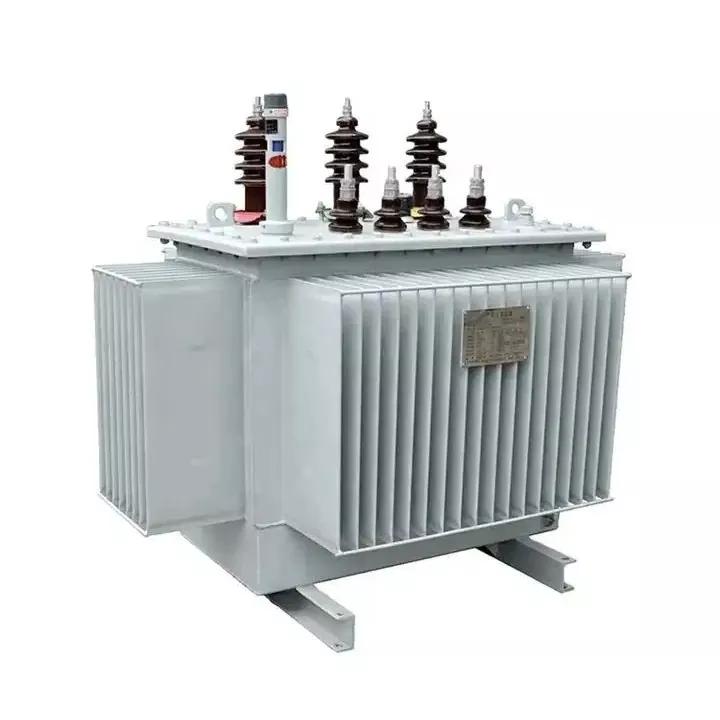
A comprehensive safety approach involves several critical areas. Here are essential precautions to implement:
-
Personal Protective Equipment (PPE): Always wear appropriate PPE, including arc-flash rated clothing, insulated gloves, safety goggles, and steel-toe boots.
-
Lockout/Tagout (LOTO): Strictly follow LOTO procedures before performing any inspection or maintenance to ensure the transformer is de-energized and cannot be accidentally re-energized.
-
Oil Handling and Containment: Transformer oil is flammable and requires careful management. Have spill containment systems in place and use proper pumps and filters. Never handle oil near open flames.
-
Ventilation and Gas Monitoring: Ensure adequate ventilation in confined spaces. Use gas detection monitors to check for combustible gases that may indicate internal faults.
-
Thermal Management: Be aware of surface temperatures. Allow the unit to cool before close inspection and use thermal imaging tools to monitor hotspots safely.
Understanding the condition of the oil is a key safety indicator. The table below outlines critical oil parameters to monitor regularly:
| Oil Test Parameter | Purpose | Safety Implication |
|---|---|---|
| Dielectric Strength | Measures insulating capability | Low strength can lead to internal arcing and failure. |
| Acidity (Neutralization Number) | Indicates oil degradation | High acidity accelerates corrosion and sludge formation. |
| Water Content | Detects presence of moisture | Excess moisture reduces dielectric strength and promotes corrosion. |
| Dissolved Gas Analysis (DGA) | Identifies gases from internal faults | Predicts potential failures like arcing or overheating before they occur. |
Oil Immersed Transformer FAQ Common Problems
Q: What is the most critical routine maintenance for an Oil Immersed Transformer?
A: The most critical routine maintenance is regular oil testing and analysis. This includes checking dielectric strength, acidity, water content, and performing Dissolved Gas Analysis (DGA). These tests provide an early warning system for internal issues like insulation degradation, overheating, or arcing, allowing for proactive intervention before a catastrophic failure.
Q: Can an Oil Immersed Transformer be installed indoors?
A: Yes, but it requires strict safety provisions. Indoor installations must have adequate fire-rated walls, sufficient ventilation to dissipate heat, and robust oil containment systems like drain pits or sumps to prevent environmental contamination in case of a leak. Always consult local codes and a professional engineer, such as the team at Lugao, for indoor design.
Q: How should a leak from an Oil Immersed Transformer be handled?
A: Immediately contain the leak using absorbent materials and dedicated spill kits. Isolate the transformer if safe to do so, following LOTO procedures. Report the incident according to environmental regulations. Identify the leak source—often gaskets, welds, or valves—and arrange for professional repair and safe oil disposal. Never ignore even a small leak.
Implementing these safety precautions is essential for responsible operation. However, having a reliable partner ensures these measures are correctly designed and applied from the start. Lugao provides not only high-quality Oil Immersed Transformers but also the complete technical support and safety guidance needed for their entire lifecycle. Contact us today to discuss how we can secure your power infrastructure with safety-engineered solutions.