

What Is a Combiner Box and Why Is It Important?
2026-01-16
Summary: A combiner box is a critical component in solar and electrical systems, designed to consolidate multiple input circuits into a single output. This article explores the structure, function, benefits, and installation considerations of combiner boxes, addressing common challenges and solutions to optimize system performance.
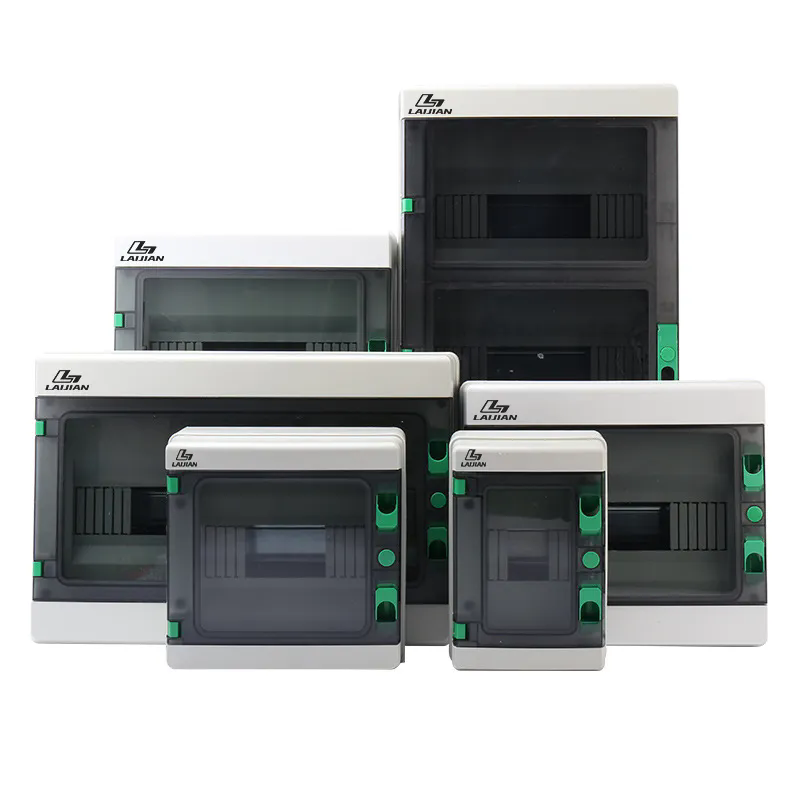
Table of Contents
- Overview of Combiner Boxes
- Key Components and Structure
- Applications in Electrical and Solar Systems
- Installation and Safety Considerations
- Maintenance Tips for Longevity
- Choosing the Right Combiner Box
- Frequently Asked Questions
- Contact Information
Overview of Combiner Boxes
Combiner boxes are essential devices used to streamline multiple electrical circuits into one centralized unit. They are commonly found in solar photovoltaic (PV) systems, industrial installations, and commercial electrical setups. By consolidating circuits, combiner boxes simplify wiring, reduce potential hazards, and improve system monitoring efficiency.
The primary functions of a combiner box include:
- Aggregating multiple input lines from solar panels or electrical sources
- Providing overcurrent protection through fuses or circuit breakers
- Allowing easy monitoring and maintenance of system performance
- Reducing wiring complexity and space requirements
Key Components and Structure
A standard combiner box consists of several key components designed to enhance safety and efficiency:
| Component | Description | Purpose |
|---|---|---|
| Fuses or Circuit Breakers | Protect each input line from overcurrent | Prevents damage to equipment and ensures system safety |
| Busbars | Conductive bars that collect current from multiple inputs | Centralizes power flow to a single output |
| Enclosure | Durable casing, often weatherproof | Protects internal components from environmental conditions |
| Surge Protection Devices (SPD) | Optional devices installed to handle voltage spikes | Prevents damage from electrical surges and lightning |
| Monitoring Equipment | Meters or sensors for current and voltage tracking | Enables real-time monitoring of system performance |
Applications in Electrical and Solar Systems
Combiner boxes are versatile and widely used across multiple sectors:
- Solar PV Systems: Combine outputs from multiple solar strings into a single line feeding the inverter.
- Commercial Electrical Installations: Simplify wiring for complex electrical circuits and distribute power efficiently.
- Industrial Facilities: Centralize multiple machinery connections while providing overcurrent protection.
- Off-Grid Systems: Allow easier integration of batteries, inverters, and renewable energy sources.
Installation and Safety Considerations
Proper installation of a combiner box is essential to ensure safety and long-term reliability. Key considerations include:
- Mounting the box in a dry, ventilated area away from direct sunlight or moisture.
- Ensuring correct fuse or breaker ratings to match input current levels.
- Using appropriate wiring and connectors to prevent overheating.
- Incorporating grounding for electrical safety.
- Periodic inspection to detect corrosion or loose connections.
Maintenance Tips for Longevity
Regular maintenance ensures optimal performance and prevents costly downtime. Recommended practices include:
- Inspecting fuses and breakers for signs of wear or damage.
- Cleaning the enclosure to remove dust and debris.
- Checking connections to prevent loose wiring issues.
- Monitoring performance data to detect anomalies early.
- Replacing worn components promptly to maintain safety.
Choosing the Right Combiner Box
Selecting the appropriate combiner box depends on system size, input voltage, and environmental conditions. Factors to consider include:
- Number of Inputs: Ensure the box can accommodate all input circuits.
- Voltage and Current Ratings: Match the maximum expected load.
- Environmental Protection: Choose weatherproof or corrosion-resistant enclosures if outdoors.
- Monitoring Features: Integrated meters or sensors can enhance operational oversight.
- Compliance: Verify certifications and standards relevant to the region.
Laijian provides a wide range of high-quality combiner boxes designed to meet industrial and solar system requirements, offering both standard and customized solutions to fit diverse applications.
Frequently Asked Questions
Q1: Can a combiner box handle both AC and DC systems?
A: Yes, specific combiner boxes are designed for AC or DC applications. Always select one that matches the system type and voltage requirements.
Q2: How often should a combiner box be inspected?
A: It is recommended to inspect combiner boxes at least once every 6–12 months or more frequently in harsh environments.
Q3: Can multiple combiner boxes be connected together?
A: Yes, in large systems, multiple boxes can be linked to centralize power distribution, ensuring proper load management and protection.
Q4: Are combiner boxes suitable for outdoor installations?
A: Yes, outdoor combiner boxes are weatherproof and resistant to dust and corrosion. Proper sealing and mounting are essential.
Contact Information
For professional combiner box solutions, high-quality products, and customized designs, contact Laijian today. Our team is ready to provide detailed guidance, technical support, and tailored solutions to optimize your electrical and solar installations. Contact us to learn more about our range of combiner boxes.