
What Are the Common Operational Challenges with Medium-voltage Indoor Earthing Switches
2026-02-04
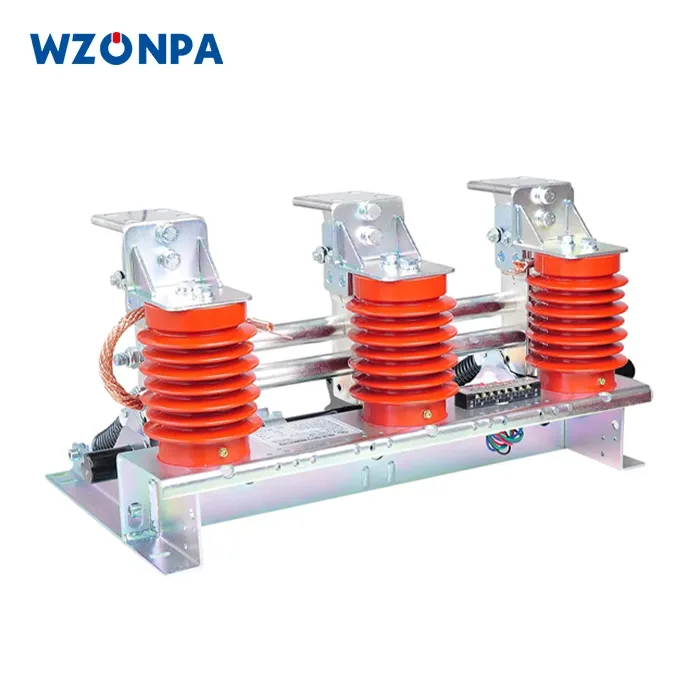
Ensuring personnel and equipment safety is paramount in medium-voltage power distribution. A critical component in this safety ecosystem is the Medium-voltage Indoor Earthing Switch. This device provides a visible earth connection to de-energized circuits, protecting maintenance teams from accidental re-energization. However, like any critical piece of equipment, it can present specific operational challenges. At Wzonpa, we engineer solutions that directly address these pain points to ensure reliability and safety.
Common Operational and Maintenance Challenges
While robust, Medium-voltage Indoor Earthing Switches can face issues that compromise their integrity. Proactive identification is key to prevention.
-
Mechanical Binding or Stiff Operation: Dust, corrosion, or inadequate lubrication can cause the switch mechanism to become hard to operate, potentially leading to unsafe partial engagement.
-
Contact Degradation: Over time and after numerous operations, the main contacts can wear or oxidize. This increases electrical resistance, jeopardizing the quality of the earth connection.
-
Misalignment with Interlock Systems: Improper installation or tampering can disrupt the crucial mechanical or electrical interlock with the circuit breaker or disconnector, creating a severe safety hazard.
-
Incorrect Application: Using a switch with an insufficient short-time withstand current (Icw) rating for the specific location can lead to catastrophic failure during a fault.
To help you specify the correct component, consider these critical parameters for a Wzonpa earthing switch:
Key Selection Parameters Table
| Parameter | Importance | Wzonpa Design Focus |
|---|---|---|
| Rated Short-Time Current (Icw) | Ensures the switch can withstand fault currents without damage. | Offers a range of ratings, rigorously tested for thermal and dynamic stability. |
| Mechanical Endurance | Guarantees reliable operation over the switch's lifetime. | Features robust kinematics and self-lubricating bearings for 10,000+ operations. |
| Interlock Compatibility | Prevents unsafe sequencing of operations. | Provides seamless integration with common switchgear interlocks for maximum safety. |
FAQ: Medium-voltage Indoor Earthing Switch
Q: How often should a Medium-voltage Indoor Earthing Switch be maintained?
A: Adhere strictly to the manufacturer's schedule, typically during annual switchgear inspection. This includes checking contact condition, verifying smooth mechanical operation, cleaning, applying specified lubricants, and critically testing the safety interlocks.
Q: Can a worn earthing switch contact be dangerous even if it closes?
A: Yes, absolutely. A closed but degraded contact with high resistance will not provide a low-impedance path to earth. During an accidental energization, this can lead to dangerous arcing, contact welding, and failure to safely trip upstream protection.
Q: What is the most critical safety feature of an earthing switch?
A: The mandatory safety interlock is paramount. It physically and/or electrically prevents the Medium-voltage Indoor Earthing Switch from being closed on a live circuit and prevents the associated circuit breaker from being closed while the earthing switch is engaged, ensuring "dead" conditions for work.
Conclusion
Understanding and mitigating the operational challenges of Medium-voltage Indoor Earthing Switches is non-negotiable for a safe electrical environment. From mechanical wear to correct specification, each aspect demands attention. Wzonpa's commitment to engineering excellence and rigorous testing directly targets these challenges, delivering switches built for reliable, long-term performance and unparalleled safety. Don't compromise on the component that guarantees your team's safety.
Contact us today to discuss your specific application needs. Our experts at Wzonpa are ready to help you select the perfect, reliable Medium-voltage Indoor Earthing Switch for your switchgear.