
What Are The Common Failure Modes Of An Oil Immersed Transformer
2026-01-09
Understanding the common failure modes of an Oil Immersed Transformer is crucial for ensuring grid reliability and preventing costly downtime. As a cornerstone of power distribution, these transformers are remarkably durable, but like any critical asset, they are susceptible to specific issues. At Lugao Power, with decades of experience in transformer design and diagnostics, we believe proactive knowledge of these failures is the first step toward robust preventive maintenance.
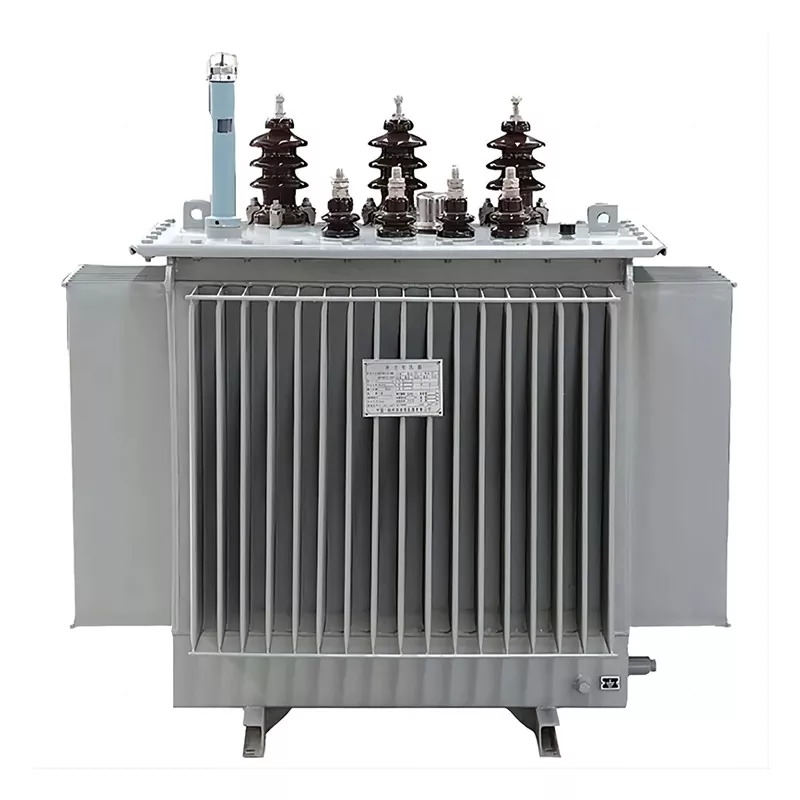
The primary failure modes can be categorized by their origin and effect on the transformer's health. Here are the most prevalent issues:
-
Insulation Degradation: This is the leading cause of failure. Over time, heat, moisture, and oxygen breakdown the insulating paper and oil, weakening their dielectric strength.
-
Overheating: Sustained overloading, poor cooling (e.g., blocked radiators, failed pumps/fans), or internal faults like circulating currents can cause severe thermal stress, accelerating insulation aging.
-
Electrical Faults: These include turn-to-turn shorts, winding failures due to lightning or switching surges, and partial discharge, which erodes insulation.
-
Oil Contamination and Degradation: Moisture ingress, sludge formation, and the presence of particulate matter compromise the oil's insulating and cooling properties.
-
Bushing Failures: Bushings can fail due to cracking, seal leaks leading to moisture ingress, or internal partial discharge.
-
Mechanical Issues: These result from through-faults (external short circuits) which cause intense electromagnetic forces, potentially distorting or displacing windings.
The table below summarizes the causes, warning signs, and potential consequences of these key failure modes:
| Failure Mode | Primary Causes | Key Warning Signs | Potential Consequence |
|---|---|---|---|
| Insulation Breakdown | Aging, overheating, moisture | High dissolved gas levels (H2, CO, CO2), reduced dielectric strength | Catastrophic short circuit, fire risk |
| Winding Deformation | Through-faults, transportation damage | Changes in Frequency Response Analysis (FRA) sweep, unusual noise | Reduced short-circuit strength, eventual failure |
| Bushing Failure | Cracking, contamination, seal failure | Increased power factor/tan delta, visible oil leak from bushing | Explosive failure, external fire |
| Oil Degradation | Oxidation, overheating, contamination | High acidity, interfacial tension, presence of sludge | Loss of cooling & insulation, internal overheating |
Oil Immersed Transformer FAQ
What is the most common sign of a failing Oil Immersed Transformer?
The most common early warnings are detected through oil analysis. A significant increase in key dissolved gases like Hydrogen (H₂), Acetylene (C₂H₂), or Methane (CH₄) often indicates active thermal or electrical faults within the unit before any external symptoms appear.
Can an Oil Immersed Transformer fail suddenly without warning?
While catastrophic failures can seem sudden, they are almost always preceded by a progressive deterioration phase. Regular diagnostic testing, such as Dissolved Gas Analysis (DGA), furan testing, and electrical tests, is designed to detect these hidden warning signs months or even years before a total failure.
How does moisture affect an Oil Immersed Transformer?
Moisture is a major enemy. It drastically reduces the dielectric strength of the oil and insulation paper, promotes cellulose aging, and can lead to bubble formation under high load, which may cause immediate insulation breakdown. It often enters through faulty seals or breathers.
Protecting your assets requires expertise and high-quality equipment. At Lugao Power, we engineer our Oil Immersed Transformers with robust materials and advanced design principles to mitigate these risks, and we support our clients with comprehensive diagnostic services.
Is your transformer fleet at risk? Don't wait for a failure to disrupt your operations. Contact us today for a professional condition assessment or to learn how Lugao Power's reliable transformers and maintenance solutions can secure your critical power infrastructure.