
How to Choose the Right Disconnect Switch for Safe and Reliable Electrical Isolation?
2026-06-08
A disconnect switch is a critical component in electrical systems, providing a safe and visible means of isolating power during maintenance, repairs, and emergency situations. Selecting the right disconnect switch can significantly improve operational safety, equipment protection, and system reliability. This guide explores the different types of disconnect switches, their applications, selection criteria, installation considerations, and common customer challenges. Whether you are managing industrial facilities, commercial buildings, renewable energy systems, or utility infrastructure, understanding disconnect switches can help you make informed decisions and avoid costly downtime.
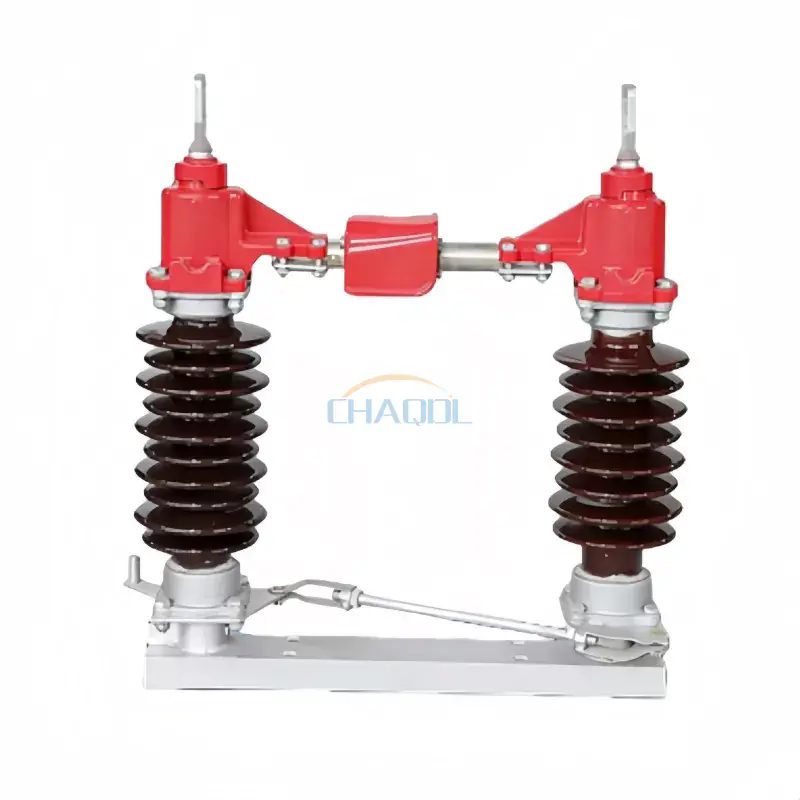
Table of Contents
- What Is a Disconnect Switch?
- Why Is a Disconnect Switch Important?
- Types of Disconnect Switches
- Common Applications
- How to Choose the Right Disconnect Switch
- Disconnect Switch Selection Comparison Table
- Installation and Maintenance Considerations
- Common Mistakes to Avoid
- Benefits of High-Quality Disconnect Switches
- Frequently Asked Questions
- Conclusion
What Is a Disconnect Switch?
A disconnect switch, sometimes referred to as an isolation switch, is an electrical switching device designed to disconnect equipment or circuits from a power source. Unlike circuit breakers, disconnect switches are primarily intended to provide visible isolation rather than interrupt fault currents.
Their main purpose is to ensure that maintenance personnel can safely work on electrical equipment without exposure to energized conductors. In many industries, disconnect switches are mandatory components that support compliance with electrical safety regulations.
A disconnect switch creates a clear and visible break in the electrical circuit, giving technicians confidence that power has been isolated before servicing equipment.
Why Is a Disconnect Switch Important?
Electrical accidents can result in severe injuries, equipment damage, operational disruptions, and financial losses. A properly selected disconnect switch helps minimize these risks.
Key advantages include:
- Improved personnel safety during maintenance.
- Visible isolation of electrical circuits.
- Protection of equipment from unintended energization.
- Compliance with industrial safety standards.
- Reduced downtime during servicing procedures.
- Enhanced operational reliability.
For facilities operating high-voltage or high-current systems, disconnect switches serve as a fundamental safety barrier between workers and energized equipment.
Types of Disconnect Switches
Understanding the available switch configurations is essential when selecting a suitable solution.
| Type | Main Feature | Typical Application |
|---|---|---|
| Fused Disconnect Switch | Includes integrated fuse protection | Motor circuits and industrial machinery |
| Non-Fused Disconnect Switch | Provides isolation only | Systems with separate protective devices |
| Indoor Disconnect Switch | Designed for controlled environments | Electrical rooms and switchgear panels |
| Outdoor Disconnect Switch | Weather-resistant construction | Utility substations and solar farms |
| High Voltage Disconnect Switch | Handles elevated voltage levels | Transmission and distribution networks |
| Rotary Disconnect Switch | Compact rotary operating mechanism | Industrial control panels |
Common Applications
Disconnect switches are used across numerous industries and electrical systems.
Industrial Facilities
- Manufacturing plants
- Production lines
- Motor control centers
- Heavy machinery installations
Commercial Buildings
- HVAC systems
- Elevators
- Backup generators
- Power distribution systems
Renewable Energy Projects
- Solar photovoltaic systems
- Battery energy storage systems
- Wind power installations
Utility Infrastructure
- Substations
- Transmission lines
- Distribution networks
How to Choose the Right Disconnect Switch
Choosing the correct disconnect switch requires careful evaluation of several technical factors.
1. Determine the Voltage Rating
The disconnect switch must be rated for the maximum system voltage. Using an underrated switch can create serious safety hazards and equipment failures.
2. Evaluate Current Capacity
The current rating should accommodate the expected load with sufficient margin for future expansion and operational fluctuations.
3. Consider Environmental Conditions
Environmental exposure significantly impacts performance and lifespan.
- Temperature extremes
- Humidity levels
- Dust and contaminants
- Corrosive environments
- UV exposure
- Rain and snow
4. Decide Between Fused and Non-Fused Models
Fused disconnect switches combine isolation and overcurrent protection, while non-fused versions rely on separate circuit protection devices.
5. Verify Compliance Requirements
Ensure the switch complies with applicable electrical standards and project specifications.
6. Assess Mechanical Durability
Industrial applications often require switches capable of thousands of operational cycles while maintaining reliable performance.
7. Consider Future Maintenance Needs
Accessible operating mechanisms, lockout provisions, and clear visual indicators can simplify maintenance and improve workplace safety.
Disconnect Switch Selection Comparison Table
| Selection Factor | Why It Matters | Recommendation |
|---|---|---|
| Voltage Rating | Ensures safe operation | Match or exceed system voltage |
| Current Rating | Prevents overheating | Select with safety margin |
| Environment | Affects durability | Choose suitable enclosure rating |
| Protection Type | Determines fault protection | Choose fused or non-fused as required |
| Operation Frequency | Influences lifespan | Select industrial-grade models |
| Maintenance Access | Improves safety | Prefer visible and lockable designs |
Installation and Maintenance Considerations
Even the highest-quality disconnect switch requires proper installation and routine inspection to achieve optimal performance.
Installation Best Practices
- Follow manufacturer specifications.
- Verify correct torque values for terminals.
- Maintain required electrical clearances.
- Install proper grounding systems.
- Use suitable enclosure protection.
Maintenance Checklist
- Inspect contact surfaces.
- Check operating mechanisms.
- Verify enclosure integrity.
- Look for signs of overheating.
- Confirm proper lockout functionality.
- Test switch operation periodically.
Preventive maintenance helps extend service life while reducing unexpected failures and operational interruptions.
Common Mistakes to Avoid
Many electrical system issues stem from improper disconnect switch selection or installation.
- Choosing insufficient voltage ratings.
- Ignoring environmental conditions.
- Selecting undersized current capacities.
- Neglecting maintenance schedules.
- Using inappropriate enclosure types.
- Overlooking lockout and safety requirements.
- Installing products that do not meet project specifications.
Avoiding these mistakes can improve safety, reliability, and long-term operating costs.
Benefits of High-Quality Disconnect Switches
Investing in premium disconnect switches often results in measurable operational advantages.
- Higher system reliability.
- Improved worker safety.
- Reduced maintenance costs.
- Longer service life.
- Better resistance to harsh environments.
- Greater operational confidence.
- Enhanced equipment protection.
For critical infrastructure and industrial facilities, reliable isolation equipment can significantly reduce risk while supporting uninterrupted operations.
Frequently Asked Questions
Q1: What is the difference between a disconnect switch and a circuit breaker?
A disconnect switch provides visible isolation for maintenance purposes, while a circuit breaker is designed to interrupt fault currents and protect circuits from overloads and short circuits.
Q2: Can a disconnect switch be used outdoors?
Yes. Outdoor disconnect switches are specifically designed with weather-resistant enclosures to withstand environmental exposure.
Q3: Do I need a fused disconnect switch?
If overcurrent protection is required at the isolation point, a fused disconnect switch may be the preferred solution. Otherwise, a non-fused switch can be used alongside separate protective devices.
Q4: How often should disconnect switches be inspected?
Inspection frequency depends on operating conditions and industry requirements. Many facilities conduct inspections annually or during scheduled maintenance intervals.
Q5: Why is visible isolation important?
Visible isolation provides clear confirmation that a circuit is disconnected, reducing the risk of accidental energization during maintenance activities.
Conclusion
Selecting the right disconnect switch is essential for maintaining electrical safety, protecting valuable equipment, and ensuring reliable operation across industrial, commercial, renewable energy, and utility applications. By carefully evaluating voltage ratings, current capacity, environmental conditions, protection requirements, and maintenance needs, organizations can significantly reduce operational risks while improving system performance.
As a trusted manufacturer and supplier of electrical power equipment, Anqiang is committed to delivering dependable disconnect switch solutions designed to meet diverse industry requirements. Whether you need disconnect switches for substations, industrial facilities, renewable energy projects, or customized electrical systems, our experienced team is ready to assist with professional guidance and product recommendations.
Looking for the ideal disconnect switch solution for your project? Contact us today and let Anqiang help you improve electrical safety, reliability, and long-term operational efficiency.