

How Does an Outdoor High Voltage Disconnect Switch Improve Electrical Safety?
2026-03-31
Summary: Outdoor high voltage disconnect switches are essential components in modern power distribution systems. They provide safety, maintenance convenience, and operational reliability. This article explores the functionality, benefits, installation considerations, and troubleshooting methods of outdoor high voltage disconnect switches to help utility companies, engineers, and facility managers optimize their electrical systems.
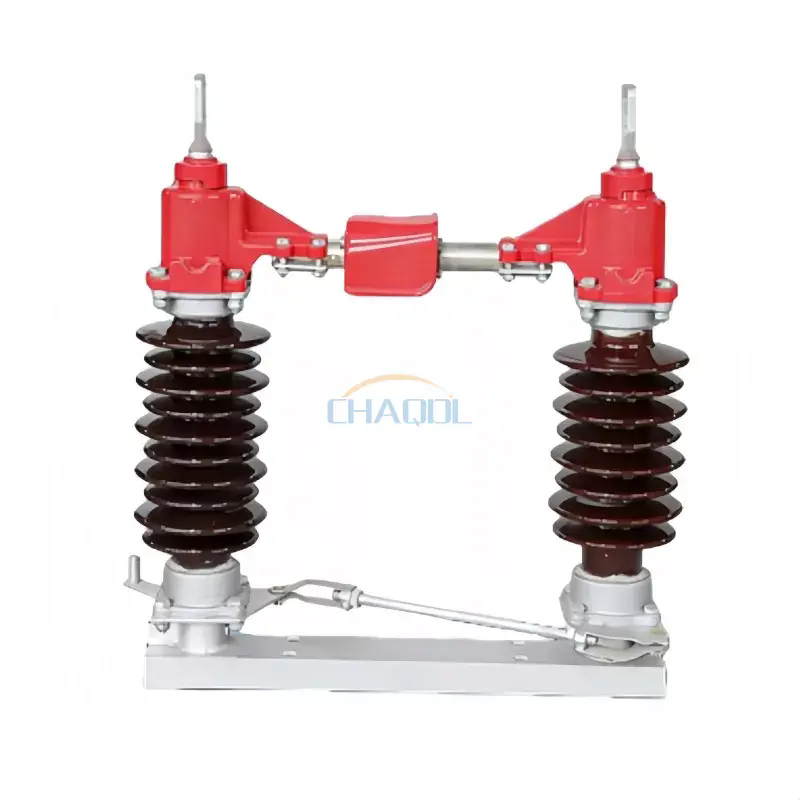
Table of Contents
- What is an Outdoor High Voltage Disconnect Switch?
- How Does It Work?
- Types of Outdoor High Voltage Disconnect Switches
- Installation and Safety Considerations
- Maintenance Best Practices
- Common Issues and Troubleshooting
- Frequently Asked Questions
- Conclusion
What is an Outdoor High Voltage Disconnect Switch?
An outdoor high voltage disconnect switch is a manually or motor-operated device used to isolate electrical equipment from the power supply. It ensures safe maintenance and protects personnel from electrical hazards. These switches are critical in substations, industrial plants, and power distribution networks where high voltage equipment requires periodic inspection or repair.
- Ensures complete isolation of circuits.
- Provides visible break in the electrical path.
- Enhances the safety of maintenance staff.
How Does It Work?
The operation of a high voltage disconnect switch is straightforward but crucial. When engaged, the switch opens a visible gap in the electrical circuit. This gap prevents current flow and allows maintenance or emergency intervention safely. The switch can be manually operated with an insulated handle or motor-driven for remote control.
| Operation Mode | Function | Typical Use |
|---|---|---|
| Manual | Physical opening/closing with an insulated tool | Small substations, outdoor transformers |
| Motorized | Remote operation via control system | Large-scale substations, automated networks |
Key factors for reliable operation include:
- Proper alignment and installation of contacts.
- Regular inspection for corrosion or debris.
- Ensuring the mechanical actuator operates smoothly.
Types of Outdoor High Voltage Disconnect Switches
There are several designs tailored for different voltage levels and operational needs:
- Vertical Break Switch: Opens vertically, typically used in compact substations.
- Horizontal Break Switch: Opens horizontally, suitable for larger installations.
- Load Break Switch: Can interrupt current while under load, ideal for live network switching.
- Grounding Switch: Connects equipment to ground for added safety during maintenance.
Choosing the right type depends on voltage rating, installation environment, and operational frequency.
Installation and Safety Considerations
Proper installation is critical for operational reliability and personnel safety. Key considerations include:
- Site Assessment: Ensure proper clearance for high voltage equipment and adequate weather protection.
- Mounting: Use appropriate insulators and supports to prevent accidental contact.
- Grounding: Properly ground the switch to reduce electrical hazards.
- Inspection: Perform pre-commissioning checks to confirm mechanical and electrical integrity.
Adhering to these standards reduces downtime and extends the service life of the switch.
Maintenance Best Practices
Routine maintenance ensures safety and maximizes lifespan. Recommended practices include:
- Visual inspection for rust, corrosion, or dirt accumulation.
- Lubrication of moving parts to ensure smooth operation.
- Verification of contact resistance and mechanical alignment.
- Testing of manual and motorized actuation systems.
Anqiang Power provides maintenance guides and replacement parts to simplify upkeep.
Common Issues and Troubleshooting
Operators often encounter the following issues:
| Issue | Cause | Solution |
|---|---|---|
| Difficulty in manual operation | Corrosion or mechanical misalignment | Clean contacts and realign mechanism |
| Motorized switch fails to actuate | Faulty motor or control circuit | Inspect wiring and replace motor if needed |
| Excessive arcing | Worn contacts | Replace contacts and inspect insulating gaps |
Frequently Asked Questions
Q1: Can an outdoor high voltage disconnect switch handle full load switching?
A1: Standard disconnect switches are not designed for load switching; use a load break switch for that purpose.
Q2: How often should maintenance be performed?
A2: Maintenance is typically recommended every 6-12 months depending on environmental conditions.
Q3: Are these switches suitable for all weather conditions?
A3: Yes, outdoor switches are built to withstand rain, snow, and extreme temperatures, but periodic inspection is advised.
Conclusion
Outdoor high voltage disconnect switches are indispensable for safe and efficient power distribution. By understanding their types, operation, installation, and maintenance requirements, utilities and industrial operators can significantly reduce risks and downtime. Anqiang Power provides a comprehensive range of high-quality outdoor high voltage disconnect switches designed to meet modern electrical safety standards.
To learn more about our products or to request a quote, contact us today and ensure your electrical system operates safely and reliably.