

How Does Ambient Temperature Influence the Tripping Characteristics of a DC Miniature Circuit Breaker
2026-03-25
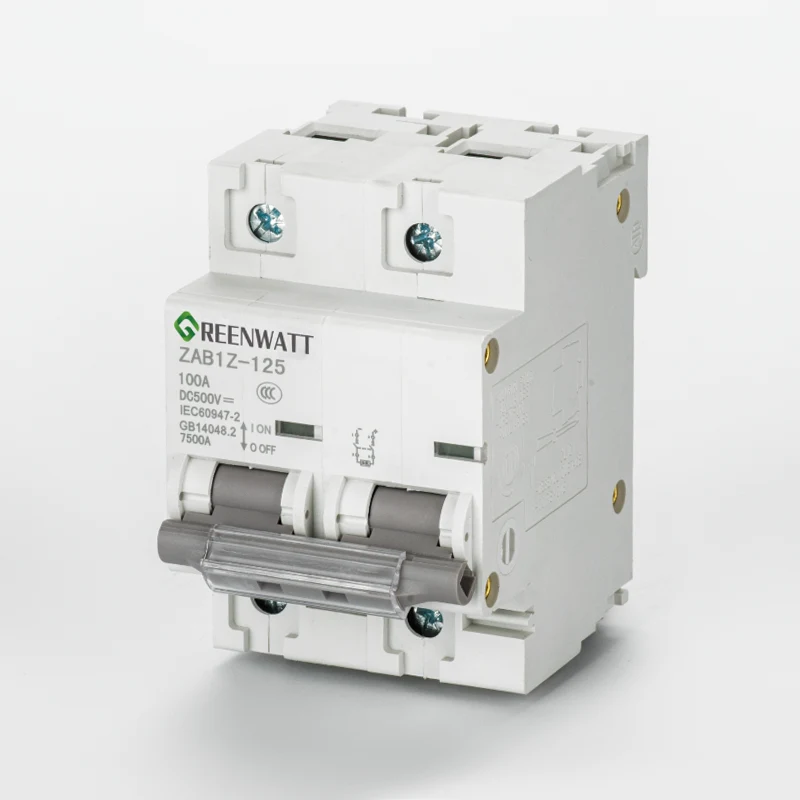
When selecting circuit protection for photovoltaic systems, battery storage, or EV charging infrastructure, understanding how ambient temperature affects a DC Miniature Circuit Breaker is essential for ensuring both safety and system reliability. At Dongan, we specialize in precision-engineered protection devices that maintain consistent performance across varying thermal conditions, helping engineers and installers avoid nuisance tripping or undetected overloads.
The Thermal-Mechanical Principle Behind Temperature Sensitivity
A DC Miniature Circuit Breaker typically relies on a bimetal thermal element for overload protection. This bimetal deflects when heated by current flow. Ambient temperature directly affects its starting temperature—higher ambient temperatures reduce the additional heat required from current to reach the tripping threshold, while lower ambient temperatures increase the required current.
This relationship is quantified by the concept of reference calibration temperature, usually 30°C or 40°C depending on the standard (IEC 60898-2 or UL 489). Any deviation shifts the effective trip curve.
Quantified Influence: Current Rating Derating
To illustrate, the table below shows typical derating factors for a DC Miniature Circuit Breaker under continuous operation:
| Ambient Temperature Range | Derating Factor (Current) | Effect on Rated Current (e.g., 20A Breaker) |
|---|---|---|
| 20°C – 30°C | 1.00 | 20.0 A |
| 40°C – 45°C | 0.90 – 0.95 | 18.0 – 19.0 A |
| 50°C – 55°C | 0.80 – 0.85 | 16.0 – 17.0 A |
| 60°C – 70°C | 0.70 – 0.75 | 14.0 – 15.0 A |
This derating ensures that the bimetal does not reach its deflection threshold prematurely. For applications in unventilated enclosures or rooftop solar arrays, Dongan recommends selecting a higher-rated model or implementing forced ventilation when temperatures exceed 50°C.
Impact on Trip Time and Coordination
Beyond current rating, ambient temperature alters the trip time for moderate overloads. The table below compares trip time variation at 1.5× rated current under different ambient conditions:
| Ambient Temperature | Trip Time Range (Seconds) | Coordination Impact |
|---|---|---|
| 20°C | 60 – 120 | Extended delay, higher selectivity |
| 40°C (Calibration) | 40 – 80 (baseline) | Standard coordination |
| 60°C | 20 – 50 | Faster tripping, potential loss of selectivity |
In systems with multiple DC Miniature Circuit Breaker units cascaded in series, elevated ambient temperatures can cause downstream devices to trip faster than upstream devices, breaking selective coordination. Dongan devices are designed with stable thermal response to minimize this risk, but designers must still account for enclosure temperature rise.
Magnetic Trip: Temperature Independence
It is important to note that the magnetic (instantaneous) trip mechanism, which responds to short-circuit currents, is largely unaffected by ambient temperature within standard operating ranges. This means short-circuit protection remains stable regardless of temperature, while overload protection requires thermal compensation.
DC Miniature Circuit Breaker FAQ
Q: Can I install a DC miniature circuit breaker inside a sealed enclosure without derating?
A: No. A sealed enclosure can trap heat, raising the internal ambient temperature by 10°C to 20°C above the external environment. This effectively reduces the DC Miniature Circuit Breaker current-carrying capacity. Dongan recommends either selecting a derated current value based on the maximum internal temperature or using vented enclosures with adequate airflow. For sealed applications, consult the temperature derating table specific to the model, as continuous operation above the rated temperature can lead to nuisance tripping and reduced electrical lifespan.
Q: How do I select a DC miniature circuit breaker for a solar combiner box located on a rooftop in a high-temperature climate?
A: For rooftop solar combiner boxes, ambient temperatures can exceed 70°C under direct sunlight. You must first determine the maximum expected internal temperature. Then apply the derating factor to your DC Miniature Circuit Breaker selection. For example, if your nominal operating current is 25A and the internal temperature reaches 65°C, a standard 25A breaker may trip prematurely. Dongan offers models with higher thermal tolerance and clearly specified derating curves. In extreme conditions, select a breaker with a current rating 20–30% higher than your nominal current, or choose a device specifically rated for high-ambient environments.
Q: Does ambient temperature affect the voltage rating of a DC miniature circuit breaker?
A: No, the voltage rating of a DC Miniature Circuit Breaker is determined by contact gap, arc extinction mechanism, and insulation properties—factors that are not directly influenced by ambient temperature within the specified operating range. However, at elevated temperatures, the dielectric strength of air inside the breaker may slightly decrease, and prolonged exposure to high temperatures can accelerate aging of insulation materials. Dongan manufactures breakers using high-temperature-resistant thermoplastics and arc chambers validated for consistent DC interruption performance from -25°C to +70°C. While voltage rating remains stable, always verify that the operating temperature stays within the device’s published limits to ensure safe interruption under fault conditions.
Conclusion
Ambient temperature plays a decisive role in the overload trip behavior of any DC Miniature Circuit Breaker. Without proper derating and thermal planning, systems face risks ranging from nuisance shutdowns to compromised protection coordination. Dongan provides comprehensive technical documentation, clearly defined derating tables, and application support to help you select the right device for your environmental conditions.
If you are designing a DC power system and need guidance on temperature-related selection or coordination, contact us today to speak with our application engineers. We are ready to help you ensure safe, reliable protection in any environment.