

How Do Fire Resistant Cables Protect Critical Systems During a Fire?
2026-06-09
Fire safety is one of the most important considerations in modern buildings, industrial facilities, transportation systems, and infrastructure projects. When a fire breaks out, maintaining power supply and signal transmission for emergency systems can mean the difference between controlled evacuation and catastrophic loss. This is where fire resistant cables play a vital role.
Unlike conventional cables that may fail quickly when exposed to extreme temperatures, fire resistant cables are specifically engineered to continue operating during fire conditions for a specified period. They help keep emergency lighting, fire alarms, smoke extraction systems, communication networks, and other critical equipment functioning when they are needed most.
This article explores how fire resistant cables work, their advantages, applications, selection criteria, and why they are becoming an essential component in modern fire protection strategies.
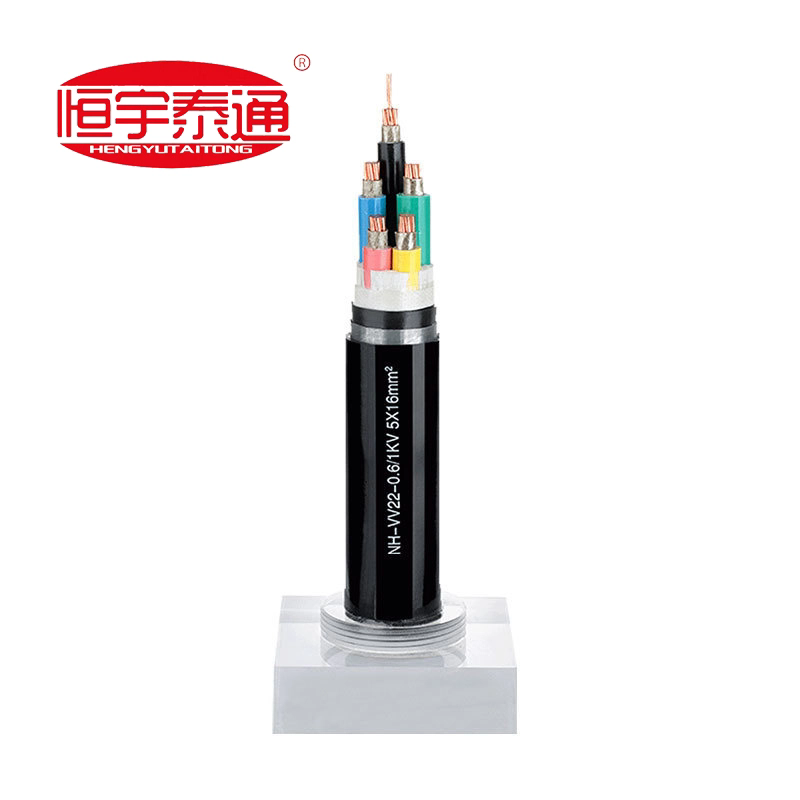
Table of Contents
- What Are Fire Resistant Cables?
- How Do Fire Resistant Cables Work?
- Fire Resistant vs Fire Retardant Cables
- Key Benefits of Fire Resistant Cables
- Common Applications
- Materials and Construction
- How to Choose the Right Fire Resistant Cable
- Comparison Table
- Future Trends in Fire Resistant Cable Technology
- Frequently Asked Questions
- Conclusion
What Are Fire Resistant Cables?
Fire resistant cables are specially designed electrical cables capable of maintaining circuit integrity and operational performance when exposed to fire. Their primary purpose is not simply to reduce flame spread but to continue transmitting electrical power or signals during a fire emergency.
These cables are commonly installed in locations where uninterrupted operation of safety systems is mandatory. They are engineered with specialized insulation materials, fire-resistant barriers, and protective layers that withstand high temperatures and direct flame exposure.
Depending on project requirements, fire resistant cables may be tested to withstand fire for periods ranging from 30 minutes to several hours while maintaining functionality.
Examples of systems relying on fire resistant cables include:
- Fire alarm systems
- Emergency lighting
- Smoke extraction equipment
- Sprinkler systems
- Emergency communication networks
- Evacuation guidance systems
- Power supply for critical equipment
How Do Fire Resistant Cables Work?
The effectiveness of a fire resistant cable comes from its ability to maintain electrical continuity under extreme conditions.
During a fire, conventional cable insulation may melt, crack, or burn away, causing short circuits and system failure. Fire resistant cables utilize specialized construction techniques to prevent conductor exposure and preserve electrical pathways.
Key mechanisms include:
- Heat-resistant insulation materials
- Mica tape wrapping around conductors
- Ceramifying compounds that form protective barriers
- Low smoke and halogen-free outer sheaths
- Enhanced thermal stability under direct flame exposure
When exposed to fire, the protective layers help shield the conductors, allowing emergency systems to remain operational long enough for evacuation procedures and firefighting efforts.
Fire Resistant vs Fire Retardant Cables
A common source of confusion is the difference between fire resistant and fire retardant cables.
| Feature | Fire Resistant Cable | Fire Retardant Cable |
|---|---|---|
| Primary Function | Maintain operation during fire | Reduce flame spread |
| Circuit Integrity | Maintained for specified duration | Not guaranteed |
| Emergency Systems | Highly suitable | Limited suitability |
| Fire Survival Capability | Excellent | Moderate |
| Application Focus | Critical safety systems | General cable installations |
While both cable types contribute to fire safety, fire resistant cables are specifically designed for applications where continued operation is essential.
Key Benefits of Fire Resistant Cables
Organizations across industries increasingly specify fire resistant cables because of the significant advantages they provide.
1. Enhanced Life Safety
Emergency systems remain operational during fire incidents, supporting safe evacuation and reducing risks to occupants.
2. Continuous Critical Operations
Hospitals, data centers, airports, and industrial facilities often require uninterrupted power and communication during emergencies.
3. Reduced Property Damage
Maintaining operation of smoke extraction and firefighting systems can help contain fire damage and improve response effectiveness.
4. Compliance with Safety Requirements
Many building regulations and industrial standards require fire resistant cabling for designated life-safety systems.
5. Low Smoke Emissions
Many modern fire resistant cables feature low-smoke, halogen-free materials that improve visibility and reduce toxic gas generation.
Common Applications
Fire resistant cables are used across numerous industries where operational continuity during emergencies is critical.
| Industry | Typical Application |
|---|---|
| Commercial Buildings | Emergency lighting and fire alarms |
| Hospitals | Life-support systems and emergency power |
| Airports | Communication and evacuation systems |
| Rail Transit | Passenger safety and signaling equipment |
| Data Centers | Critical power and communication circuits |
| Oil & Gas Facilities | Emergency shutdown systems |
| Industrial Plants | Safety monitoring and control systems |
| Tunnels | Ventilation and emergency communications |
As urban infrastructure becomes more complex, the demand for reliable fire resistant cable solutions continues to grow.
Materials and Construction
The performance of a fire resistant cable depends heavily on its design and materials.
Typical construction components include:
- Copper conductors for reliable conductivity
- Mica tape fire barriers
- Cross-linked insulation materials
- Ceramifiable compounds
- Low smoke zero halogen (LSZH) sheaths
- Mechanical protection layers when required
Advanced manufacturing technologies help ensure stable performance under both normal operating conditions and extreme fire scenarios.
As a professional cable manufacturer, Taitong Wire & Cable Co., Ltd. focuses on delivering high-quality cable solutions designed to meet demanding industrial and infrastructure requirements while emphasizing safety, reliability, and long-term performance.
How to Choose the Right Fire Resistant Cable
Selecting the correct cable requires careful evaluation of project requirements.
Consider the following factors:
- Required fire survival duration
- Operating voltage level
- Installation environment
- Mechanical protection requirements
- Smoke and toxicity limitations
- Applicable industry standards
- Environmental conditions such as moisture and chemicals
- Expected service life
Working with an experienced manufacturer can help ensure the chosen cable meets both technical and regulatory requirements.
Comparison of Key Cable Characteristics
| Characteristic | Conventional Cable | Fire Resistant Cable |
|---|---|---|
| Operation During Fire | Typically fails quickly | Maintains operation |
| Emergency System Support | Limited | Excellent |
| Heat Resistance | Standard | High |
| Safety Level | Basic | Enhanced |
| Application Scope | General wiring | Critical infrastructure |
Future Trends in Fire Resistant Cable Technology
As safety standards continue to evolve, fire resistant cable technology is advancing rapidly.
Emerging trends include:
- Higher fire endurance ratings
- Improved low-smoke performance
- Environmentally friendly insulation materials
- Enhanced mechanical durability
- Smart monitoring integration
- Greater suitability for renewable energy infrastructure
These innovations will further improve the ability of critical systems to function reliably during emergency situations.
Frequently Asked Questions
What is the main purpose of a fire resistant cable?
Its primary purpose is to maintain electrical circuit integrity and continue operating during fire conditions for a specified period.
Are fire resistant cables required in commercial buildings?
Many commercial buildings require them for emergency lighting, fire alarms, smoke control systems, and other life-safety applications.
Can fire resistant cables prevent a fire?
No. They are designed to continue functioning during a fire rather than preventing ignition.
What industries use fire resistant cables most frequently?
Construction, healthcare, transportation, energy, manufacturing, telecommunications, and public infrastructure sectors commonly use them.
How long can fire resistant cables survive in a fire?
The duration depends on cable design and testing requirements, ranging from tens of minutes to several hours under specified conditions.
Conclusion
Fire resistant cables have become an essential part of modern safety systems. Their ability to maintain power and signal transmission during fire emergencies helps protect lives, reduce operational disruptions, and support emergency response efforts. Whether used in commercial buildings, transportation networks, industrial facilities, or critical infrastructure projects, selecting the right fire resistant cable can significantly enhance overall fire safety performance.
If you are looking for dependable fire resistant cable solutions for your next project, Taitong Wire & Cable Co., Ltd. offers professional expertise, advanced manufacturing capabilities, and customized cable products designed to meet demanding safety requirements. Contact us today to discuss your project needs and discover how our fire resistant cable solutions can help improve safety, reliability, and long-term operational performance.